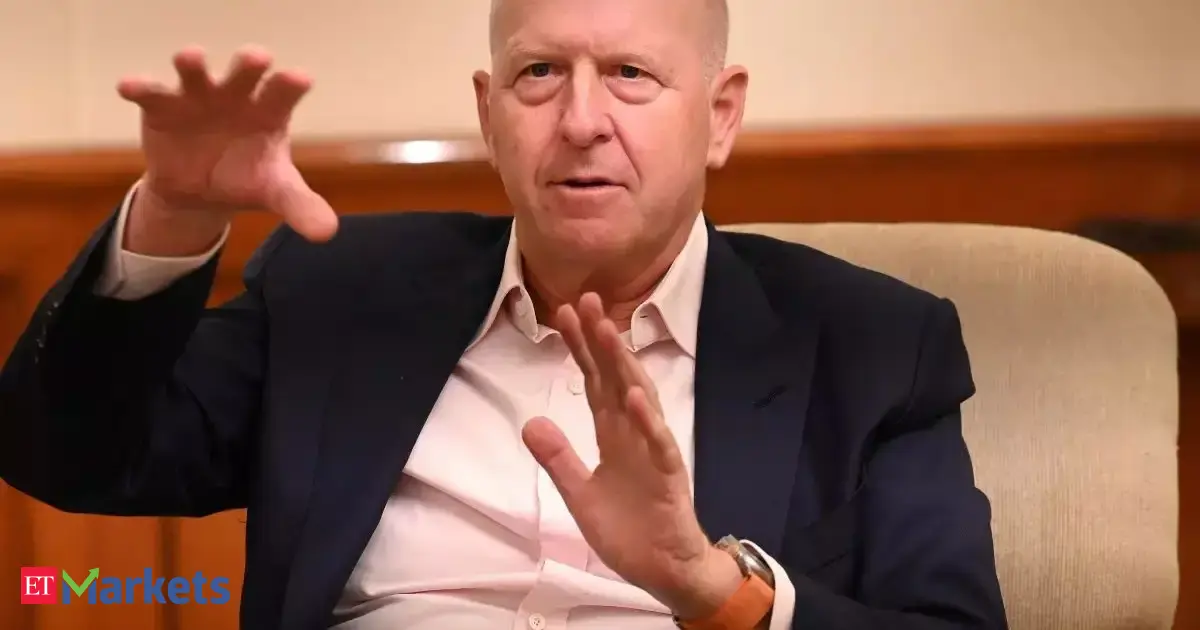
“I look at the market reaction, and I’m actually surprised that the market reaction has been more benign given the magnitude of this as you might think,” Solomon said in a speech at a business summit in Sydney.
Solomon said markets tend to react in a muted way to geopolitical events unless they have a direct impact on economic growth.
“There’s a cumulative effect of everything that’s happening and a much harsher reaction. Up to this point, we haven’t seen that cumulative effect,” he said. “But it’s very hard to speculate because there is so much that is unknown at this point.”
“I think it’s gonna take a couple of weeks for markets to really digest the implications of what has happened both in the short term and medium term, and I can’t speculate as to how that would play out,” he said.
Oil prices have spiked as the widening conflict stoked supply worries, exacerbating investor concerns about inflation.
Global stock indexes have slumped while the U.S. dollar has strengthened as investors sold riskier assets and flocked to traditional safe havens. However, Wall Street losses have been relatively mild, with the S&P 500 down less than 1% this week after paring early losses into the close on both trading days.
Solomon said a combination of factors, including an easing monetary cycle and a significant relaxation of regulatory practices, had helped keep the U.S. economy in solid shape.
“Let us put aside what’s going on in the Middle East at the moment,” he said. “We have a confluence of strong macro tailwinds that make the economic growth trajectory of the United States, I think, quite compelling.”
Source link